


Overview
The Advisory Council on Parkinson’s Research, Care, and Services (ACPRCS) is a Federal advisory committee mandated by the National Plan to End Parkinson’s Act (NPEPA). The Council is charged with providing guidance to the U.S. Department of Health and Human Services (HHS) on issues related to Parkinson’s disease research, care, and services. Parkinson’s is defined broadly as Parkinson’s disease and related disorders (PDRD) such as progressive supranuclear palsy (PSP), corticobasal degeneration (CBD), multiple system atrophy (MSA), and Lewy body dementias (LBD). The Council produces an annual Report to the HHS Secretary and Congress containing recommendations and priority actions for federal PDRD programs, thereby playing an essential role in shaping the development of a coordinated National Plan to End Parkinson’s, ensuring that both Federal and public perspectives inform its priorities and execution.
The Council includes thirteen Federal members and ten non-Federal members, representing people living with Parkinson’s and related disorders, caregivers, clinicians, researchers, and advocacy organizations. Non-Federal members were selected through an open nomination process conducted by HHS to ensure broad and inclusive representation. More information about the Council, including the membership roster is listed below.
ACPRCS Roster
| Non-Federal Members: | |
|---|---|
| Bradley F. Boeve, M.D. | Israel Robledo |
| Deborah W. Brooks, MBA | Jessica Shurer, MSW, LCSW |
| Alice Chen-Plotkin, M.D. | David Standaert, M.D., Ph.D. |
| Jessi Keavney, MBA | Cathi-Ann Thomas, R.N., M.S., CNRN |
| Michael Okun, M.D. | Sara Whittingham, M.D. |
| Federal Members: | |
|---|---|
| Nancy Beck, Ph.D., Environmental Protection Agency | CAPT Gayathri Kumar, M.D., Department of Health and Human Services, Office of Minority Health |
| Maria Bellantoni, M.D., Indian Health Service | Shari Ling, M.D., Centers for Medicare and Medicaid Services |
| Teresa Buracchio, M.D., Food and Drug Administration | Edda Thiels, Ph.D., National Science Foundation |
| John Duda, M.D., Department of Veterans Affairs | Leslie Beltran, Ph.D., Parkinson’s Research Program, Congressionally Directed Medical Research Programs, Department of War |
| Stephanie E. Haridopolos, M.D., Department of Health and Human Services, Office of the Surgeon General | Mary Lazare, MA, MS, Administration for Community Living |
| Amy Bany Adams, Ph.D., National Institute of Neurological Disorders and Stroke/National Institutes of Health | Roger Klein, M.D., J.D., Agency for Healthcare Research and Quality |
| CAPT Francisca Abanyie, MD, MPH, Centers for Disease Control and Prevention | |
Non-Federal Member Profiles
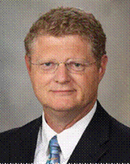
Bradley F. Boeve, MD, FAAN
Professor of Neurology, Mayo Clinic; Chester and Debbie Cadieux Director, Mayo Clinic Alzheimer’s Disease Research Center
Bradley F. Boeve, M.D., is a consultant in the Department of Neurology and Center for Sleep Medicine at Mayo Clinic in Rochester, Minnesota. Dr. Boeve serves as the Chester and Debbie Cadieux Director, Mayo Clinic Alzheimer’s Disease Research Center. He joined the staff of Mayo Clinic in 1997 and holds the academic rank of Professor of Neurology, Mayo Clinic College of Medicine and Science. Dr. Boeve is recognized with the distinction of The Little Family Foundation Professorship in Lewy Body Dementia.
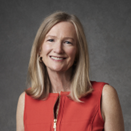
Deborah W. Brooks, MBA
Chief Executive Officer and Co-Founder of The Michael J. Fox Foundation for Parkinson’s Research
Deborah W. Brooks is Chief Executive Officer and Co-Founder of The Michael J. Fox Foundation for Parkinson’s Research (MJFF), the world’s largest nonprofit funder of Parkinson’s disease research, which she launched with Michael J. Fox in 2000. Together with an on-staff team of neuroscience-trained PhDs and business strategists, she has led MJFF in funding billions of dollars in research to validate hundreds of drug targets now in therapeutic development. MJFF has also built a global longitudinal study that has helped to unveil the complex biology of Parkinson’s and set the conditions for more than 20 new drug approvals over the past decade. Prior to MJFF, Ms. Brooks spent nine years at Goldman, Sachs & Co. She holds an AB in Economics from the College of William and Mary, an MBA from the Tuck School at Dartmouth College and an MS in Marital and Family Therapy from Northwestern University.

Alice Chen-Plotkin, MD
Parker Family Professor of Neurology, University of Pennsylvania
Alice Chen-Plotkin is the Parker Family Professor of Neurology at the University of Pennsylvania. A Phi Beta Kappa graduate and English literature major at Harvard University, she began her scientific training as a Rhodes Scholar at Oxford University. At the Perelman School of Medicine at the University of Pennsylvania, she leads a research group studying the neurodegenerative diseases and maintains a clinical practice caring for Parkinson’s Disease patients. Dr. Chen-Plotkin has won top awards from the American Academy of Neurology (Jon Stolk Award, 2014), the American Neurological Association (Derek Denny Brown Award, 2018), the Doris Duke Foundation (Paragon Award, 2023), and the National Institute of Neurological Disorders and Stroke (Javits Neuroscience Investigator Award, 2024) for her research efforts.

Jessi Keavney
Caregiver Advocate & Patient Research Partner; Fractional CFO
Jessi Keavney is a caregiver advocate whose father, uncle, grandmother, and grandfather lived with parkinsonism and dementia. After learning she carries the pathogenic LRRK2 G2019S genetic variant, she has spent more than a decade participating in over forty biomarker and observational research studies focused on early detection and disease prevention. She is a leading advocate in prodromal Parkinson’s research, contributing as a conference speaker, research and grant consultant, and coauthor on multiple peer-reviewed scientific publications. Jessi is a Fractional CFO, a Certified Management Accountant, and graduated summa cum laude with a master’s degree in business administration.
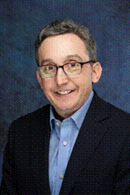
Michael S. Okun, MD
Professor & Director, Norman Fixel Institute for Neurological Diseases, University of Florida Health
Michael S. Okun is an American neurologist, neuroscientist and NY Times bestselling author who co-founded and directs the Norman Fixel Institute for Neurological Diseases at the University of Florida Health where he serves as a Distinguished Professor. He previously chaired the UF Department of Neurology, and since 2006 he has been the Medical Advisor for the Parkinson’s Foundation. Okun is recognized for his work in building new models of care for Parkinson’s disease and for pioneering device-based therapies for neuropsychiatric disorders. He has authored over 600 scientific papers and 15 books including the recent NY Times bestseller The Parkinson’s Plan.

Israel Robledo
Patient Advocate; Member, Patient Council of the Michael J. Fox Foundation
Israel was diagnosed with PD 19 years ago at age 42. After coming to terms with his diagnosis, he began a journey of advocacy for better treatments/therapies and the best health-related quality of life for people living with PD. He is a member of the Patient Council of the Michael J. Fox Foundation.

Jessica Shurer, MSW, LCSW
Director of Clinical and Community Affairs, CurePSP
Jessica Shurer, MSW, LCSW, is the Director of Clinical and Community Affairs at CurePSP, where she leads their prestigious medical center network aimed at improving best practices for diagnosis and symptom management of PSP, CBD, and MSA as well as oversees all programs and resources focused on support, education, awareness, and public policy advocacy for the atypical parkinsonian community. Prior to joining CurePSP in 2021, she served as the Center Coordinator & Clinical Social Worker of the Parkinson’s Foundation Center of Excellence at UNC Chapel Hill for over 9 years. She holds degrees in psychology, gerontology, and human development & family studies from the Pennsylvania State University and a Master of Social Work from UNC Chapel Hill. Her clinical and research interests include person-centered interdisciplinary care models, addressing psychosocial needs of patients and families, and end-of-life care for neurodegenerative diseases.
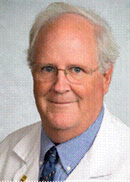
David G. Standaert, MD, PhD
Professor and Chair, Department of Neurology, University of Alabama at Birmingham
David G. Standaert MD, PhD is Professor and Chair of the Department of Neurology at the Heersink School of Medicine, University of Alabama at Birmingham (UAB). He holds the John N. Whitaker Endowed Chair in Neurology and is a senior clinician in the Division of Movement Disorders. He is a graduate of Harvard College, received his combined degrees from Washington University in St. Louis, completed Neurology residency at the University of Pennsylvania and a research and clinical fellowship in Movement Disorders at Harvard Medical School and Massachusetts General Hospital. His laboratory works on understanding both the root causes of Parkinson’s disease as well as the origin of the disabling symptoms that appear after long term treatment of the disease.
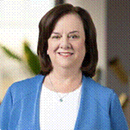
Cathi-Ann Thomas, MS, RN, CNRN
Assistant Professor of Neurology & Program Director, Parkinson’s Disease and Movement Disorders Center, Boston University Medical Campus
Cathi-Ann Thomas, MS, RN, CNRN is an Assistant Professor of Neurology and Program Director of the Parkinson’s Disease and Movement Disorders Center at Boston University Medical Campus based at Boston Medical Center. As an APDA Information and Referral Coordinator she has developed patient programs and services both locally and nationally. As a nurse she has a long tenure of delivering evidenced based and patient-centered care to individuals and families living with Parkinson’s. She is a member of a multidisciplinary research team in the BUMC Department of Neurology, an APDA Center for Advanced Research, and has participated in over fifty clinical research studies in Parkinson’s.
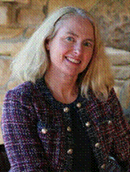
Sara Whittingham, MD
Physician, Air Force Veteran & Patient Advocate
Dr. Sara Whittingham is a physician, Air Force veteran, and mom diagnosed with Parkinson’s disease at age 46. Her experience as both a clinician and patient shape her work advocating for patient empowerment, exercise as medicine, and improved care delivery. She is the author of Oh Crap! It’s Parkinson’s: A Rebel’s Guide to Taking Back Control of Your Life. She also advocates for protecting current and future service members from toxic exposures and ensuring veterans affected by these exposures have access to the care and benefits they deserve.
Federal Member Profiles
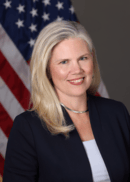
Amy Bany Adams, PhD
Acting Director, National Institute of Neurological Disorders and Stroke
Dr. Amy Bany Adams currently serves as the NINDS Acting Director, where she leads strategic efforts that optimize operational support for the Institute’s scientific priorities and accelerate the pace of neuroscience research by enhancing integration across the OD and strengthening the partnerships between science and administration. Dr. Adams’s prior federal roles include serving as the NINDS Deputy Director for Scientific Management and Operations, the founding Director of the NINDS Office of Neuroscience Communications and Engagement, and the Director of the National Institute of Dental and Craniofacial Research’s Office of Science Policy and Analysis.
Prior to that, she was an American Association for the Advancement of Science (AAAS) Science and Technology Policy Fellow in the Office of the NIH Director and subsequently served as Special Assistant to the NIH Director. Dr. Adams earned her Ph.D. in cell biology from the Yale University School of Medicine, where her research focused on the genetic and cellular basis for neurotransmitter control of behavior in C. elegans. She received her B.S. in biology from the Massachusetts Institute of Technology.

Nancy Beck, PhD
Environmental Protection Agency
Nancy Beck, Ph.D., DABT, has nearly 30 years of applied public health experience, sixteen of which were from her time in government, including senior leadership positions at EPA and the White House. Dr. Beck currently serves as the Principal Deputy Assistant Administrator in EPA’s Office of Chemical Safety and Pollution Prevention. Prior to joining EPA, Dr. Beck was the Director of Regulatory Science at a law firm where she advised industry leaders on the impact of environmental policies, including chemical regulations and compliance programs, applying her in-depth knowledge and experience as a PhD toxicologist. Throughout her career, Dr. Beck has gained extensive understanding of chemical risk assessment, regulatory processes, and the scientific underpinnings of federal and state regulations, including but not limited to the Toxic Substances Control Act, the Federal Insecticide, Fungicide, and Rodenticide Act, and the Clean Air Act.
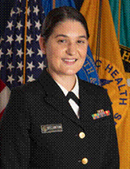
Maria Bellantoni, MD
Internist & Geriatrician, Phoenix Indian Medical Center; IHS Chief Clinical Consultant for Geriatrics & Palliative Care
LCDR Maria Bellantoni, MD is an internist and geriatrician at the Phoenix Indian Medical Center and serves as the Indian Health Service (IHS) Chief Clinical Consultant for Geriatrics & Palliative Care. She is a graduate of the Uniformed Services University of the Health Sciences and a commissioned officer in the U.S. Public Health Service. She completed an internal medicine residency at the Johns Hopkins Hospital and a fellowship in Geriatric Medicine & Gerontology at the Johns Hopkins University School of Medicine. In her role with the IHS, she informs clinical and community programming to improve the health and wellbeing of American Indian and Alaska Native elders.
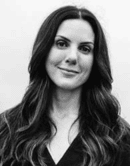
Leslie Beltran, PhD
Program Manager, Congressionally Directed Medical Research Programs, Defense Health Agency Research and Development-Medical Research and Development Command
Dr. Leslie Beltran serves as the Program Manager for the Parkinson’s Research Program (PRP) at the CDMRP, DHA R&D-MRDC in Fort Detrick, Maryland. As a CDMRP Program Manager, Dr. Beltran leads a team of federal civilians and contractors to execute and manage the PRP appropriation in accordance with direction from the U.S. Congress. She provides strategic direction to develop the program’s investment strategy and funding opportunities, oversees peer and programmatic review of research proposals, and evaluates program accomplishments, including outcomes of funded awards. Through collaboration with other government funding organizations, the Department of War, academia, industry and consumer advocacy organizations, Dr. Beltran ensures PRP supports high-impact research that intends to decrease risk, slow progression, or ease symptoms of Parkinson’s disease that benefit Service Members and their Families, Veterans and the American public. Dr. Beltran holds a doctorate in Behavioral Neuroscience from State University of New York at Albany. She completed post-doctoral fellowships in Pharmaceutical Sciences and Neuroscience from the University of South Florida and New York University, respectively.
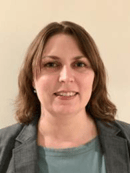
Teresa Buracchio, MD
Food and Drug Administration
Teresa Buracchio, MD, is a neurologist and serves as Director of the Office of Neuroscience in the Center for Drug Evaluation and Research, Food and Drug Administration (FDA). She oversees the review of new drug programs for neurologic and psychiatric diseases. Dr. Buracchio completed her medical degree and neurology residency at Rush University Medical Center in Chicago, Illinois. Dr. Buracchio completed fellowship training in geriatric neurology at Oregon Health & Science University and Veterans Affairs Medical Center in Portland, Oregon. Dr. Buracchio joined FDA in 2013.
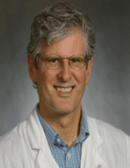
John Duda, MD
National Director, Parkinson's Disease Research, Department of Veterans Affairs
John Duda, M.D., is the National Director of the Parkinson's Disease Research, Education and Clinical Centers (PADRECC) in the Department of Veterans Affairs and Co-Director of the Center for Neurotrauma, Neurodegeneration and Restoration at the Cpl. Michael J. Crescenz VA Medical Center. He is also a Professor of Neurology at the Perelman School of Medicine at the University of Pennsylvania. Dr. Duda is an internationally recognized leader in clinical and basic science investigations of Parkinson's disease (PD) and related disorders. His research activities include basic science investigations into the role of Lewy pathology in the pathophysiology of PD and related disorders, as well as clinical research in Parkinson’s disease psychosis, olfaction, and lifestyle interventions. For over 25 years, he has provided state-of-the-art care for thousands of Veterans with PD. In 2016, he founded the PADRECC Brain Wellness Clinic to provide training in lifestyle modifications for brain health. He has received research grants from the Department of Veterans Affairs, NIH, the Michael J. Fox Foundation, and the Department of Defense, and has been recognized as a BLR&D Senior Clinical Research Scientist. Dr. Duda has authored more than 160 scientific publications, including articles in JAMA, Science, Neuron, The New England Journal of Medicine, and Neurology.
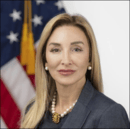
Stephanie Haridopolos, MD, DABFM
Principal Deputy Assistant Secretary for Health (Office of the Assistant Secretary for Health) and Director of National Health Communications (Office of the Surgeon General)
Dr. Stephanie Haridopolos is a board-certified family medicine physician, medical writer, and public health advocate. She serves as the Principal Deputy Assistant Secretary for Health within the Office of the Assistant Secretary for Health and as Director of National Health Communications for the Office of the Surgeon General, where she performs some of the duties of the US. Surgeon General. With more than 20 years of experience in preventive and primary care across the lifespan, Dr. Haridopolos has focused on empowering patients with knowledge they need to live a healthy lifestyle. A dedicated advocate for preventive care and patient empowerment, she has made significant contributions to public health policy, particularly in expanding access to affordable healthcare for children. She was recognized as Florida’s Outstanding Woman in Public Health for her leadership with Florida Healthy Kids Corporation and her role in advancing legislation that improved coverage for families. In addition to her clinical and policy work, she has played a key role in addressing the opioid crisis and has served on multiple state health boards and advisory councils.
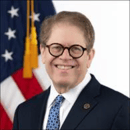
Roger Klein, MD, JD
Agency for Healthcare Research and Quality
Roger D. Klein, M.D., J.D., is a board-certified molecular pathologist and attorney who was formerly Chief Medical Officer of OmniSeq, Inc., a tumor profiling company that was acquired by LabCorp. Dr. Klein has been medical director of molecular pathology at several academic institutions, including Cleveland Clinic, where he oversaw molecular oncology and germline genetic testing. He has advised the Departments of Health & Human Services, the Food and Drug Administration, the Centers for Medicare & Medicaid Services, and the Centers for Disease Control and Prevention, and has held leadership roles in numerous professional society committees. He is a former Co-Chair of CDC’s Evaluation of Genomic Applications in Practice and Prevention (EGAPP) Working Group. Dr. Klein completed medical school and an internship at Case Western Reserve Medical School, residency and fellowships at Yale Medical School, and a fellowship at Mayo Clinic. He earned his law degree at Yale Law School. He is licensed to practice medicine in Ohio, Florida, and New York and law in Ohio and the District of Columbia, and is a member of the U.S. Supreme Court Bar.

CAPT Gayathri S. Kumar, MD
Chief Medical Officer, HHS Office of Minority Health
CAPT Gayathri S. Kumar is the Chief Medical Officer of the HHS Office of Minority Health. In this role, she provides clinical expertise and strategic insight for OMH programs and activities to help address health disparities and improve health outcomes for racial and ethnic minorities in the United States. Prior to this position, she served as the Acting Director and Deputy Director of the Division of Refugee Health (DRH) at the Office of Refugee Resettlement/Administration for Children and Families where she oversaw national refugee health programs.
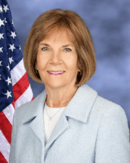
Mary Lazare, MA, MS
Principal Deputy Administrator, Administration for Community Living (ACL)
Mary Lazare currently serves as the Principal Deputy Administrator of the Administration for Community Living (ACL), performing the duties of the ACL Administrator and Assistant Secretary for Aging. She was sworn in on March 3, 2025, returning to ACL following prior service from 2017-2021. Throughout a career focused on improving the health and well-being of people with disabilities and older adults, Mary has led social services and health care systems in building partnerships across industries and all levels of government, modernizing system infrastructure and leveraging new technology. During her prior tenure at ACL, she spearheaded key initiatives including an interagency task force on expanding employment opportunities for people with disabilities, a public-private partnership to prevent social isolation, and cross-sector collaboration to align health care and aging and disability services. Before rejoining ACL, Mary spent over 40 years as an executive in health and long-term care, including roles as Vice President for Home and Community-Based Services for Lutheran Senior Services, Vice President of Senior Care Facilities and Community Health Ministries at Ascension Health, Vice President of Senior Services and Home Care at BJC Health Care, and Executive Director for the Jewish Center for the Aged. She holds master's degrees in both management and gerontology.
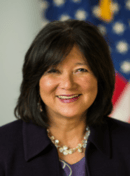
Shari Ling, MD
Deputy Chief Medical Officer, Centers for Medicare and Medicaid Services
Shari M. Ling, M.D. is currently the Centers for Medicare and Medicaid Services (CMS), Deputy Chief Medical Officer serving CMS and the Center for Clinical Standards and Quality (CCSQ), in the Agency's pursuit of optimizing health outcomes. Her committed focus is on the achievement of meaningful health outcomes for patients and families through the delivery of high quality, person-centered care, across all care settings. Her clinical focus and scientific interest are in the care of persons with dementia, multiple chronic conditions, and functional limitations.
In addition to a clinician leadership role across CMS, Dr. Ling has represented CMS on several HHS committees and workgroups including the National Alzheimer's Project Act FACA, Behavioral and Mental Health, Interagency Coordinating Committee on Healthy Aging and Age-Friendly Communities, the Advisory Council on Parkinson's Research, Care, and Services (ACPRCS) and the Scientific Integrity Council.
Dr. Ling received her medical training at Georgetown University School of Medicine where she graduated as a member of the Alpha Omega Alpha Honor Society. Dr. Ling received her clinical training in Internal Medicine and Rheumatology at Georgetown University Medical Center and completed Geriatric Medicine fellowship at Johns Hopkins University. She joined the Johns Hopkins University faculty for 5 years, after which she joined the Intramural Research Program of the National Institutes of Health at the National Institute on Aging as a Staff Clinician for 8 years studying human aging and age-associated chronic diseases with attention to musculoskeletal conditions and mobility function. She has authored over 100 publications over her career.
Dr. Ling continues to serve as a part-time faculty member in the Division of Geriatric Medicine and Gerontology at Johns Hopkins University School of Medicine and serves as volunteer faculty for the dementia clinic with the Baltimore VA Medical Center - VA Maryland Health Care System in Baltimore. Prior to her medical training, she earned her Masters’ Degree in Gerontology, from the Leonard Davis School of University of Southern California and subsequently served as the co-director of clinical services with the Andrus Older Adult Counseling Center.
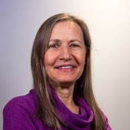
Edda (Floh) Thiels, PhD
Program Director, Directorate for Technology, Innovation and Partnerships, U.S. National Science Foundation
Dr. Edda (Floh) Thiels is a Program Director at the U.S. National Science Foundation (NSF) in the Directorate for Technology, Innovation and Partnerships. She also serves as program director for several NSF activities under the Brain Research Through Advancing Innovative Neurotechnologies® (BRAIN) Initiative, including the Next Generation Networks for Neuroscience and the Collaborative Research in Computational Neuroscience programs. Prior to joining NSF, Floh was a faculty member in the Department of Neurobiology at the University of Pittsburgh School of Medicine, where her laboratory studied bidirectional plasticity of synapses in the hippocampus, a brain region important for learning and memory, and experience-dependent alterations in brain circuits involved in reward learning and addiction. Floh earned her Ph.D. in Psychology from Indiana University and a B.Sc. in Psychology from the University of Toronto, Canada.

CAPT Francisca Abanyie, MD, MPH
Acting Principal Deputy Director, Office of Science
Centers for Disease Control and Prevention (CDC)
CAPT Francisca Abanyie, MD, MPH, serves as the Acting Principal Deputy Director for the Office of Science at the Centers for Disease Control and Prevention (CDC), where she helps ensure the Office advances its strategic and programmatic priorities in support of the agency's science. Prior to this role, CAPT Abanyie served as the Deputy Director of CDC/ATSDR's Commissioned Corps Liaison Office, managing all aspects of the careers of approximately 800 United States Public Health Service (USPHS) officers at the agency. CAPT Abanyie's CDC and USPHS Commissioned Corps career began in 2012 as an Epidemic Intelligence Service Officer in the Parasitic Disease Branch of the Division of Parasitic Diseases and Malaria (DPDM), where she led investigations of transplant-associated strongyloidiasis, Cyclospora outbreak responses, and post-treatment surveillance of lymphatic filariasis in Ghana and Bangladesh. As a Pediatric Infectious Diseases physician, she championed pediatric healthcare-associated infections and antibiotic stewardship in the Division of Healthcare Quality Promotion from 2016 to 2019. She returned to DPDM in 2019 as the lead medical epidemiologist for the Domestic Response Team of the Malaria Branch, leading efforts to ensure regulatory compliance with FDA standards for drug protocols and providing hospitals with lifesaving drugs for the timely treatment of patients with severe malaria. She has participated in more than 10 national and international USPHS and agency emergency response deployments, including 19 months on the COVID-19 Response (2020–2021). CAPT Abanyie earned her undergraduate degree with honors in chemistry from Rutgers University, her medical degree from Rutgers Robert Wood Johnson Medical School, and her Master of Public Health from Emory University's Rollins School of Public Health. She completed a residency in General Pediatrics at St. Christopher's Hospital for Children in Philadelphia and a fellowship in Pediatric Infectious Diseases at Emory University.
ACPRCS Meetings
ACPRCS meetings are open to the public and include updates, scientific and programmatic presentations, and opportunities for stakeholder engagement. A designated portion of each meeting is reserved for public comment.
Following each meeting, materials, including a meeting summary, video recordings, slides, and public comments will be posted on the event page.
Public Comment Instructions and Guidelines
General Information on Public Comments
Prior to each meeting of the ACPRCS full committee, NIH/HHS issues a Federal Register notice and an announcement on the ACPRCS website inviting members of the community to provide public comment for the Council’s consideration at the meeting. Submissions are accepted in writing via e-mail addressed to NationalPDplan@nih.gov. Please include the phrase “public comment” in the subject line as well as the body of the message, and indicate whether you request the opportunity to deliver comments orally at a ACPRCS Council meeting. Public comments can also be submitted on a rolling basis throughout the year and will be collected and provided to the Council for its consideration at the next ACPRCS full Council meeting.
At each Council meeting, a limited number of slots are available for individuals to provide a 2-3 minute summary of their comment orally before the committee either in person or via a virtual platform. Individuals interested in the opportunity to make an oral comment may indicate this in their written submission, and if a slot becomes available, they will be notified by Council support staff and provided with instructions. For any given meeting, priority for oral comment slots will be given to those who have not previously provided oral comments in the current calendar year. This will help ensure that as many individuals as possible have an opportunity to share comments. NIH/HHS is unable to provide travel funds for individuals providing public comment.
Additionally, the ACPRCS also periodically solicits public comment through Requests for Information or other methods. Comments received are taken into consideration by the committee in their strategic planning, development of recommendations, and planning of other Parkinson’s-related activities. Due to the volume of comments, the ACPRCS is unable to respond to each public comment individually.
Guidelines and Privacy Notice
Guidelines for ACPRCS public comment are designed to encourage respectful and constructive dialogue, to protect the privacy of individuals, and to ensure that public comments are maximally beneficial to the work of the committee. Guidelines are as follows:
- Individuals must be 18 years of age or older to register for and provide public comment to the ACPRCS.
- Comments should be addressed to the ACPRCS as a whole and not to specific Council members nor to guest speakers or other individuals who are not members of the ACPRCS.
- Public comments provided to or prepared on behalf of the ACPRCS become a part of the public record and written comments or videos of the meeting may be posted on the ACPRCS website for public access.
- Information that is private, confidential, copyrighted or proprietary should not be included, other than contact information to enable Council support staff to contact a commenter if necessary.
- Public comments received in writing are prepared by Council support staff for the committee in accordance with the Federal Advisory Committee Act (FACA), the Freedom of Information Act (FOIA), the Privacy Act, and other applicable laws, regulations and policies, including any necessary redaction.
- Attachments are discouraged and will not be provided to the Council except upon request.
- Submissions may include citations or web links to publicly accessible websites and documents. Please use these instead of attachments.
- Brief comments of 1000 words or less are best and most effective. If overly lengthy, comments may be truncated, with the rest available to the Council upon request.
- Duplicate submissions are discouraged; if received, only one example will be provided to the Council.
The following are prohibited in public comments and will either be redacted from public comments or the entire comment will not be accepted if containing the following:
- Sensitive personal information such as personal medical or educational records or information pertaining to legal proceedings.
- Detailed personally identifiable information about third parties.
- Personal photos or videos.
- Vulgar, offensive, obscene, inflammatory, profane, threatening, or abusive language.
- Unlawful or otherwise objectionable statements, personal attacks, accusations against individuals or organizations.
- Discriminatory language (including hate speech) based on race, national origin, age, gender, sexual orientation, religion, or disability.
- Content that infringes on copyrights.
- Solicitations and advertisements.
To submit a written public comment:
Email: NationalPDplan@nih.gov
Please include the phrase “public comment” in both the subject line and the body of the message.
To request verbal public comment time:
A limited number of slots are available for individuals to provide a ~2-3-minute oral summary or excerpt of their written comment to the Council during the meeting. For those interested in that opportunity, please indicate “Interested in providing oral/virtual comment” in your written submission, along with your name, email, and professional/organizational affiliation so that Council support staff can contact you if a slot is available.
Schedule of Upcoming Meetings
| Meeting Dates | Location |
|---|---|
| August 24, 2026 | Virtual Event – via HHS Live Streaming |
| November 9, 2026 | In-person (Hubert H. Humphrey Building) & virtual via HHS Live Streaming |
| December 07, 2026* | Virtual Event – via HHS Live Streaming |
*Date may be subject to change
Past meetings
Inaugural Meeting (June 29, 2026)