


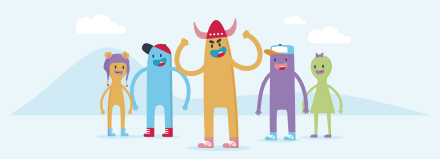
The Migraine Trainer® app is no longer available for download as an app. But all the resources and tracking tools from Migraine Trainer® are still available in the form of a digital toolkit on this page.
NINDS developed Migraine Trainer® to help teens age 13 and older understand possible causes of their migraines. It also helps them take a greater role in their treatment by creating an individual migraine management plan with their parents and healthcare providers.
Migraine Trainer® provides teens with tools and resources to help them:
- Understand their migraine triggers
- Track their symptoms
- Manage migraines that are already happening
For Parents
With your support, these materials can help your child manage their migraine symptoms, which may also help them have fewer and less intense migraines. Once you identify a pattern of causes and early warning signs, you’ll be better able to help your child predict and prepare for migraines.
You and your child can better manage their migraine headaches by:
- Maintaining a healthy lifestyle
- Relaxing
- Building coping skills
- Taking action when warning signs appear
You can work with your child’s doctors, school nurses, coaches, and other adults in their life to help make sure your child has any needed medicines available to relieve pain early. You can also make plans together to help your child to manage a headache.
For Physicians
This toolkit is designed to help your patients who have migraine attacks better understand and manage them.
This page includes a downloadable tracking tool to help patients log the necessary data you need to consider when recommending treatment. You can work with your patients to help them complete the “Daily Goals” section that maps out a customized management approach just for them.
Patients can send you their results or review them with you during their next visit.
Why do I get migraines?
"Migraine" describes an ongoing health condition with a complex set of symptoms. It’s common to hear “migraines” referred to as “migraine attacks” or “migraine headaches.” We use "migraines" on this page to describe short-term attacks as part of this ongoing health condition, which often includes other symptoms.
It’s likely (but not certain) that you inherited this condition from one or both of your parents—even if they don’t get migraines.
Sometimes, they happen because of your body’s response to:
- Not getting enough sleep or exercise
- Not eating well
- Skipping meals
- Not drinking enough water
- Stressing about school, relationships, family, or other things in your life
- Being around bright lights or uncomfortable noise
Even changes in the weather may contribute to your migraines.
Everyone’s migraines have different causes. Once you know what causes them, you’ll have a better chance of preventing them. Learning how to recognize when a migraine is coming and what actions to take can help make them shorter or less painful.
The resources on this page can help you keep track of information about your migraines and can help your doctor develop the best plan to help you manage them.
What does the research say?
About 10% of kids ages 5 to 15 get migraines. Many studies have shown that changes to everyday habits may be effective in helping kids manage them. These include:
- Getting enough sleep on a regular schedule
- Drinking enough water
- Not skipping meals
- Getting more exercise
- Lowering stress levels
What are common migraine triggers?
Lots of things can lead to a migraine—like eating certain foods, being dehydrated, or something in your surroundings. What triggers a migraine for you may be different for someone else. Some common triggers are:
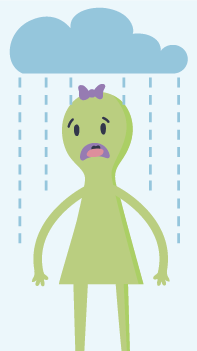
Surroundings
- Bright lights
- Loud, unpleasant noise
- Travel
- Strong smells
- Weather
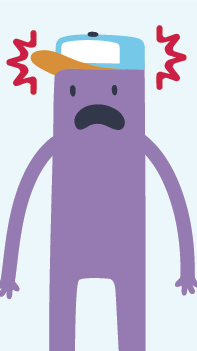
Mind
- Tired
- Stressed

Belly
- Coffee and energy drinks
- Not drinking enough water
- Skipped meals
- Alcohol

Body
- Taking drugs
- Missed your headache meds
- Staying up late or lack of sleep
- Menstrual cycle (period)
What are the warning signs?
Sometimes, you can identify signs that a migraine is coming. By figuring out your warning signs, you can better manage them. Here are some possible migraine warning signs:
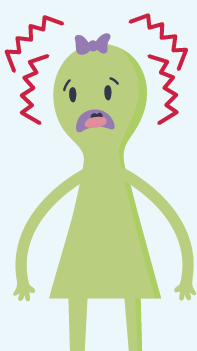
Mind
- Foggy
- Difficulty concentrating
- Tired
- Hyper
- Moody

Vision
- Blurry vision
- Tunnel vision
- Loss of vision
- Seeing bright shapes, lights, black spots, or wavy lines

Speech
- Hard time finding the right word
- Can’t understand speech
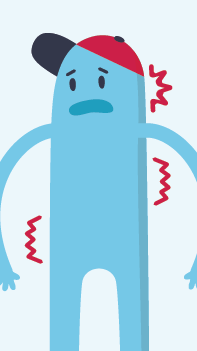
Body
- One side of the body feels weak or heavy
- Stiff neck
- Parts of the body tingle or feel numb
- Yawning a lot
- Changes in appetite
- Thirsty
How can I plan for migraines?

Log Your Migraines
Track triggers, treatments, and daily goals that help reduce pain.
Make daily goals to help prevent migraines and make them less painful after they start. This should include:
- Eating three healthy meals each day
- Drinking enough non-caffeinated fluids (like water)
- Sleeping well
- Exercising regularly at least three times a week
Also, try doing some relaxation techniques. Relaxation helps reverse your body’s reactions to the stress that led to your migraine.
By logging your progress, you’ll begin to learn what leads to your migraines, what warning signs to look out for, and which activities work best for migraine relief. Start setting reminders so you do the things that help every day!
If you have trouble sticking to your daily goals or if you can’t do some activities, talk with your doctor.
How can I manage my migraines?
There are many things you can do when you have a migraine or feel one coming on. Here are a few ideas to help prevent a migraine or make it less painful:
- Tell a parent, school nurse, coach, or other adult that a migraine is coming.
- Take your medicine if it’s time.
- Drink plenty of water with your medicine.
- Use relaxation techniques.
Click the tabs below for tips for managing migraines:
Breathe deeply
Take very deep breaths through your nose. Make sure your stomach (not just your chest) moves out as you breathe in. Take as deep a breath as you can. Fill up your lungs and then hold it for as long as you can.
Let the air out all at once, or a little at a time. How do you feel now? Try it a few times.
Focus your thoughts
Think of your favorite scene. It can be real or made up. With a clear picture in your mind, think about how this place it would sound, smell, and feel. Focus on the scene. This can help you relax any time, even during a migraine.
Get enough sleep
Poor sleeping habits can often lead to migraines. Try to get 9 to 11 hours of sleep each night.
Exercise
For some people, exercise can reduce how often migraines happen.
Drink Water
Staying hydrated by drinking plenty of water can reduce how often migraines happen.
Where can I learn more?
For more resources and activities related to brain health and function for parents, students, and teachers, visit the NINDS Brain Education Resources page.
Migraine Trainer® and the Migraine Trainer® design are registered trademarks of the U.S. Department of Health and Human Services.