


Reducing your risk of dementia starts with managing your blood pressure
Many people don’t realize that high blood pressure—especially in midlife—can cause silent, lasting damage to the brain. This damage often starts without symptoms, gradually increasing your risk of stroke, dementia, and Alzheimer’s disease. That’s why the science shows that one of the most effective, evidence-based ways to reduce your risk of dementia is by managing your blood pressure as early as your 30s and 40s.
It’s important to understand the relationship between vascular health (the health of blood vessels and arteries) and brain health. Whether you’re a healthcare provider or someone concerned about your brain’s future, the time to act is now.
How high blood pressure affects brain health
High blood pressure weakens and narrows the arteries that carry oxygen and nutrients to the brain. This can lead to:
- Stroke or “silent” strokes that can quietly damage brain tissue.
- Cognitive decline and memory problems, including early signs of dementia.
- Diffuse white matter disease, seen on MRI scans in older adults.
Without treatment, these changes can strain your brain and affect your cognitive functioning. But by maintaining healthy blood pressure, you can protect your brain health and shrink your dementia risk.
What is dementia—and what affects your risks?
Dementia is a general term for a decline in thinking, memory, and ability to carry out everyday tasks. It’s not just about memory loss. It can include changes in judgment, problem-solving, behavior, and personality.
There are several forms of dementia:
- Alzheimer’s disease is the most common form, marked by changes in brain structure.
- Vascular dementia is often caused by strokes or reduced blood flow to the brain.
- Mixed dementia is a combination of different causes, including vascular and Alzheimer-related damage.
- Other conditions that cause dementia include frontotemporal disorders, Lewy body dementia, and more.
Your risk of dementia rises with age, but also with negative/harmful lifestyle and health factors, including high blood pressure.
How managing blood pressure protects your brain
You can reduce your risk of stroke and dementia by managing your blood pressure when you’re in your late 20s into your 40s. Brain damage from high blood pressure can happen without symptoms, which is why taking early action, before symptoms show up, is essential.
When we have uncontrolled high blood pressure, the arteries that supply oxygen to the brain become weaker and narrower. Over time, as brain cells are repeatedly deprived of oxygen, they begin to die off, damaging brain tissue and impairing cells that are responsible for memory or reasoning (or thinking).
This ongoing damage to the blood vessels contributes to most dementias, including Alzheimer’s disease.
But managing your blood pressure helps keep oxygen supply to the brain flowing through healthy arteries, which reduces your risk of stroke and dementia.
What you can do today to reduce your dementia risk
You don’t need to wait for symptoms to act. In fact, strategies to reduce your dementia risk work best when you start before memory problems appear.
Try one of these today:
- Download a provider conversation guide(pdf, 1169 KB) to prepare for your next appointment.
- Use a stroke risk calculator to better understand your personal risks.
Healthy brains start with heart-smart habits
Protecting your brain is easier than it may seem. The same steps that lower your risk of stroke, heart attack, and chronic disease also reduce your risk of dementia.
Start here:
- Eat a healthy diet low in salt and high in fruits, vegetables, and whole grains.
- Exercise regularly, aiming for at least 30 minutes most days.
- Quit smoking and avoid drug misuse, both of which harm blood vessels and raise stroke risk.
- Manage diabetes, cholesterol, and blood sugar, which all increase dementia risk.
- Limit alcohol, especially binge drinking, which raises blood pressure.
- Stick to prescribed treatments, including medications and follow-up care.

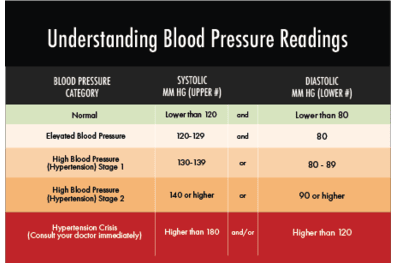
A quick, portable tool for managing hypertension. Print this card and share with patients, caregivers, or community members. Download Printable PDF(pdf, 99 KB)
The earlier you start, especially between ages 28 and 45, the more you reduce your cascading Alzheimer’s risk (and dementia risk) over time.
Cascading Alzheimer’s risk means that once certain harmful changes start happening in the brain, like the buildup of sticky proteins called amyloid plaques and tau tangles, they can set off a chain reaction. These changes damage brain cells, and over time, that damage adds up, leading to memory loss, confusion, and eventually dementia. It’s called a “cascade” because one problem leads to another, making the disease get worse over time.